
street golf · sponsorship and partnership · feature documentary
Two brothers in Portland made golf free on a Thursday night and hundreds of people who were told the game wasn't for them showed up anyway. It is now seven cities and growing. Hot Juice is filming it, and this is how a brand gets inside it.
scroll ↓
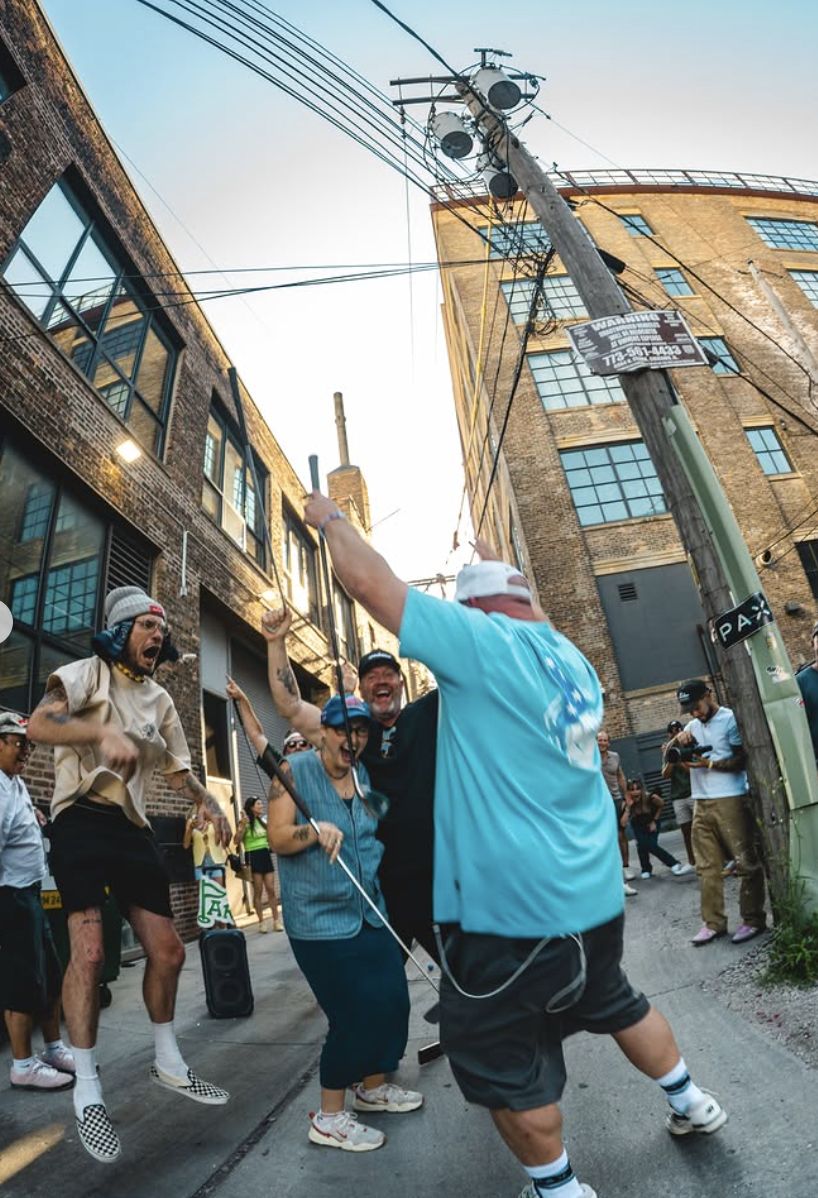
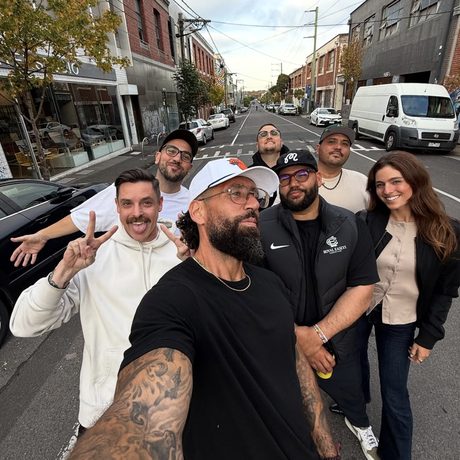
It starts with thirty people. It ends with a hundred and fifty. Cars stop at the intersection and the drivers get out and ask for a club. Most of them have never held one before tonight, and somebody hands them one, free, and shows them how.
It isn't the golf. It's the format. No tee time, no dress code, no green fee, nobody checking whether you belong. A level playing field in a literal street.
The closest friends most of these people have in the game are the ones they met standing in that road.
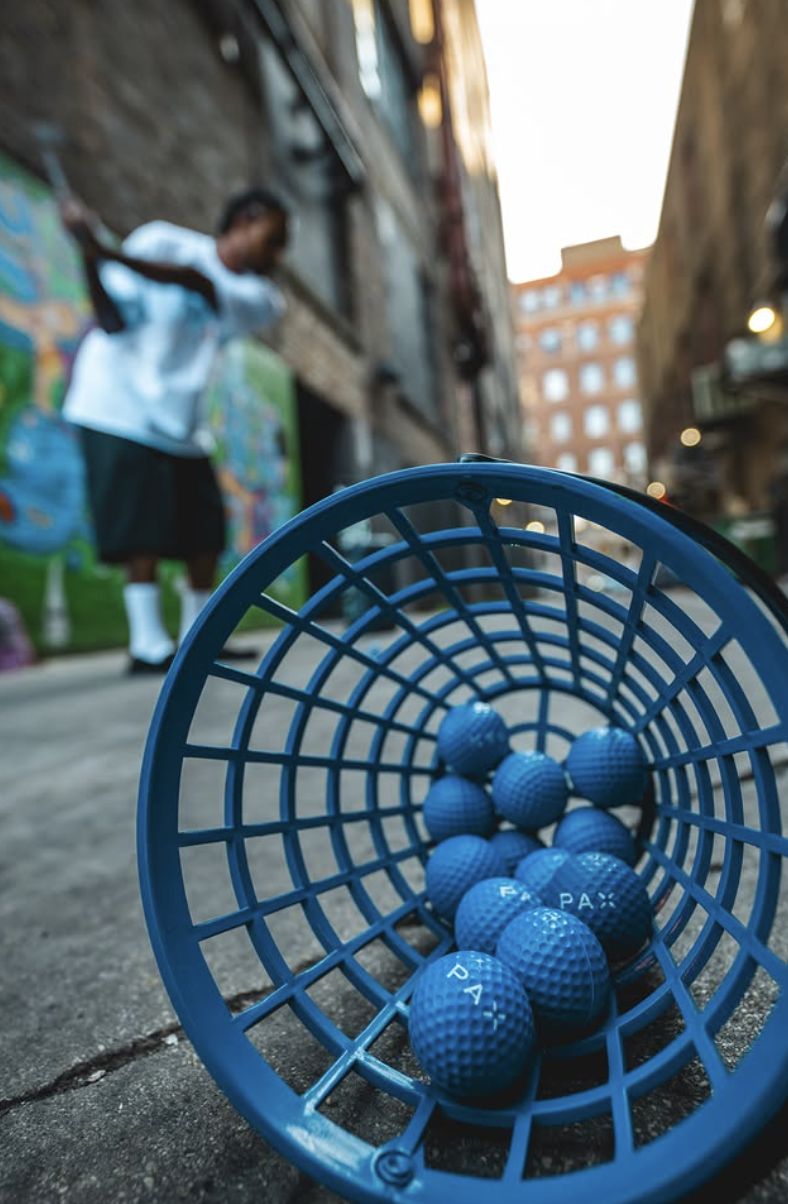
Street golf is golf taken out of the country club and put in the street. Parking lots, alleys, loading docks, closed blocks. Soft foam balls so it is safe anywhere. Clubs handed to you at the door so you do not need to own a thing. Free to play, every time.
Muni Kids started it in Portland in 2015 as a golf streetwear label for the people the game had never made room for. The apparel built the audience. The meetups built the movement. Ten years later it is a Thursday night institution at home and a travelling event that draws hundreds in cities where nobody knew them a week earlier.
It is also the rarest thing in sport marketing: a young, urban, culturally fluent audience walking voluntarily into golf. Not a demographic a brand has to buy its way toward. A crowd already standing in the road.
This is the industry's own data, not ours. The game is having its best decade in forty years, and almost all of the new entry is happening away from the first tee. Street golf is the most credible free front door that exists.
Which is the honest case for a partner. Not charity, not growth of the game language. Infrastructure. Muni Kids built the entry point the industry says it needs, and a brand can put its name on it before anybody else does.
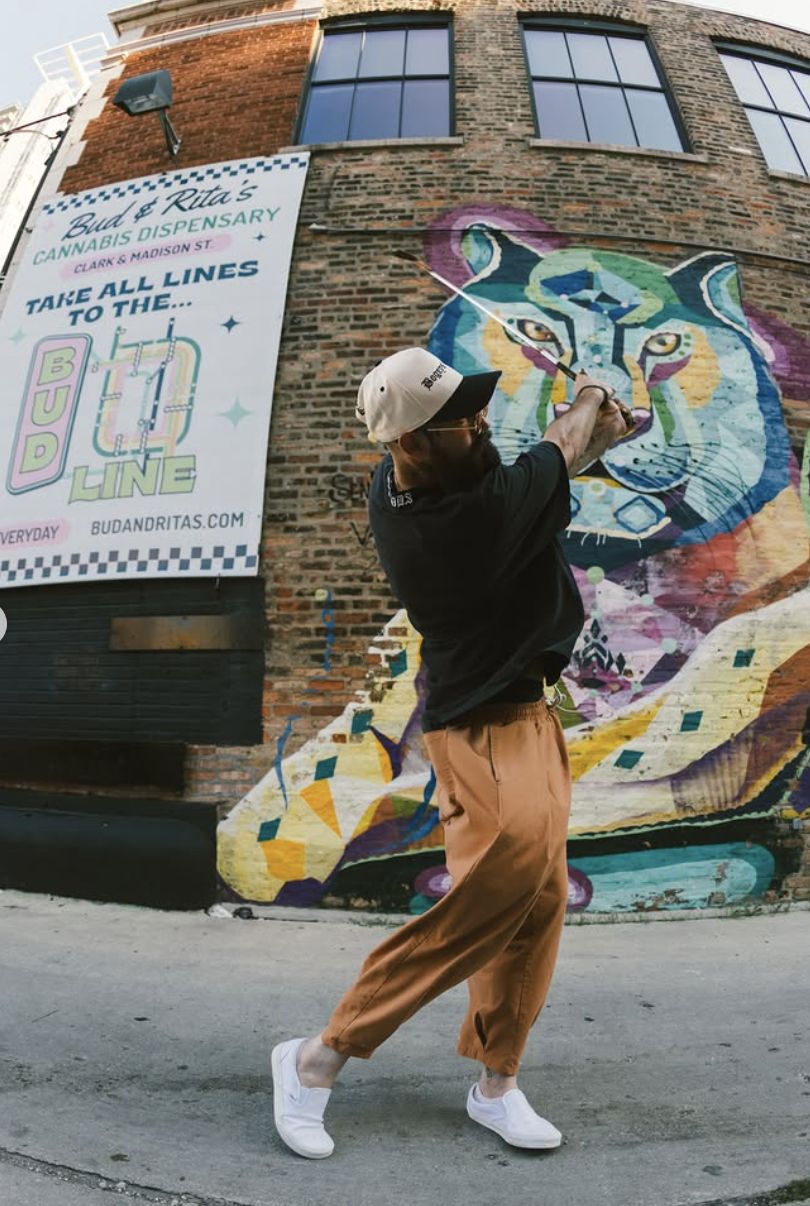
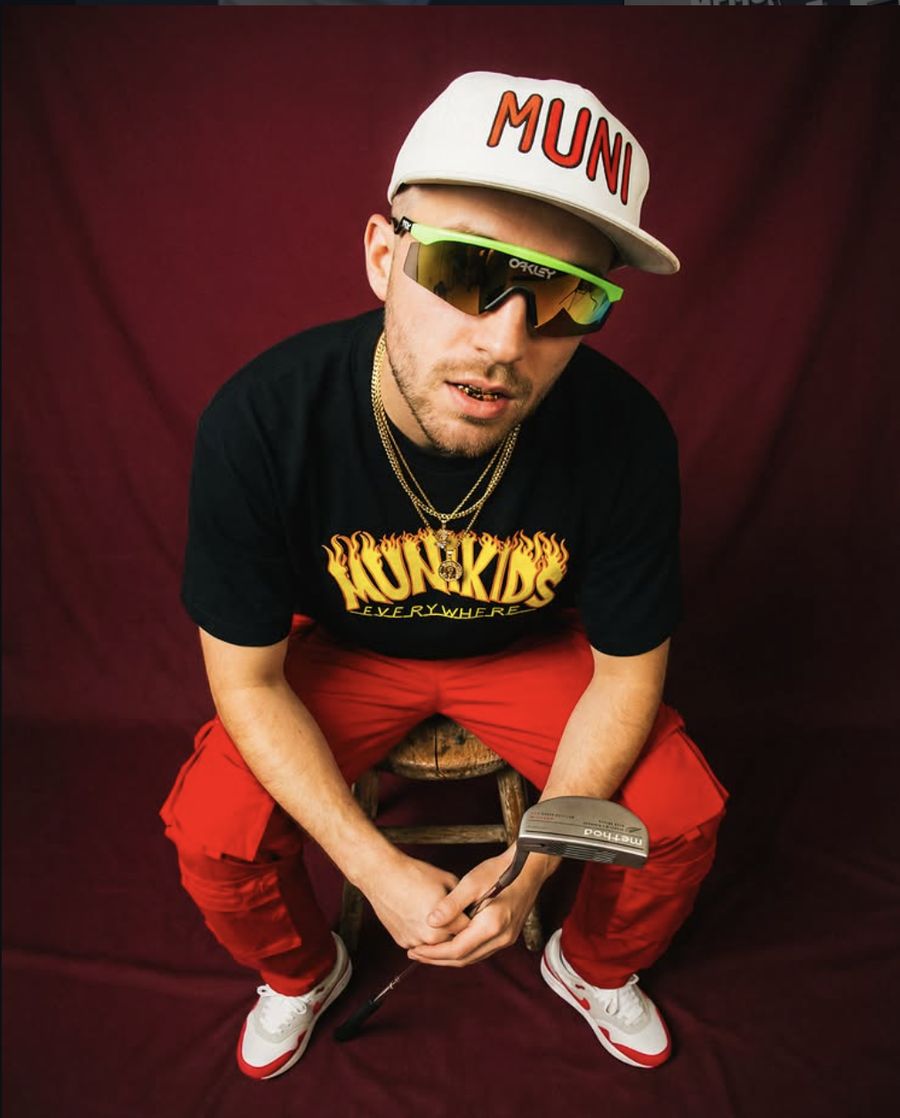
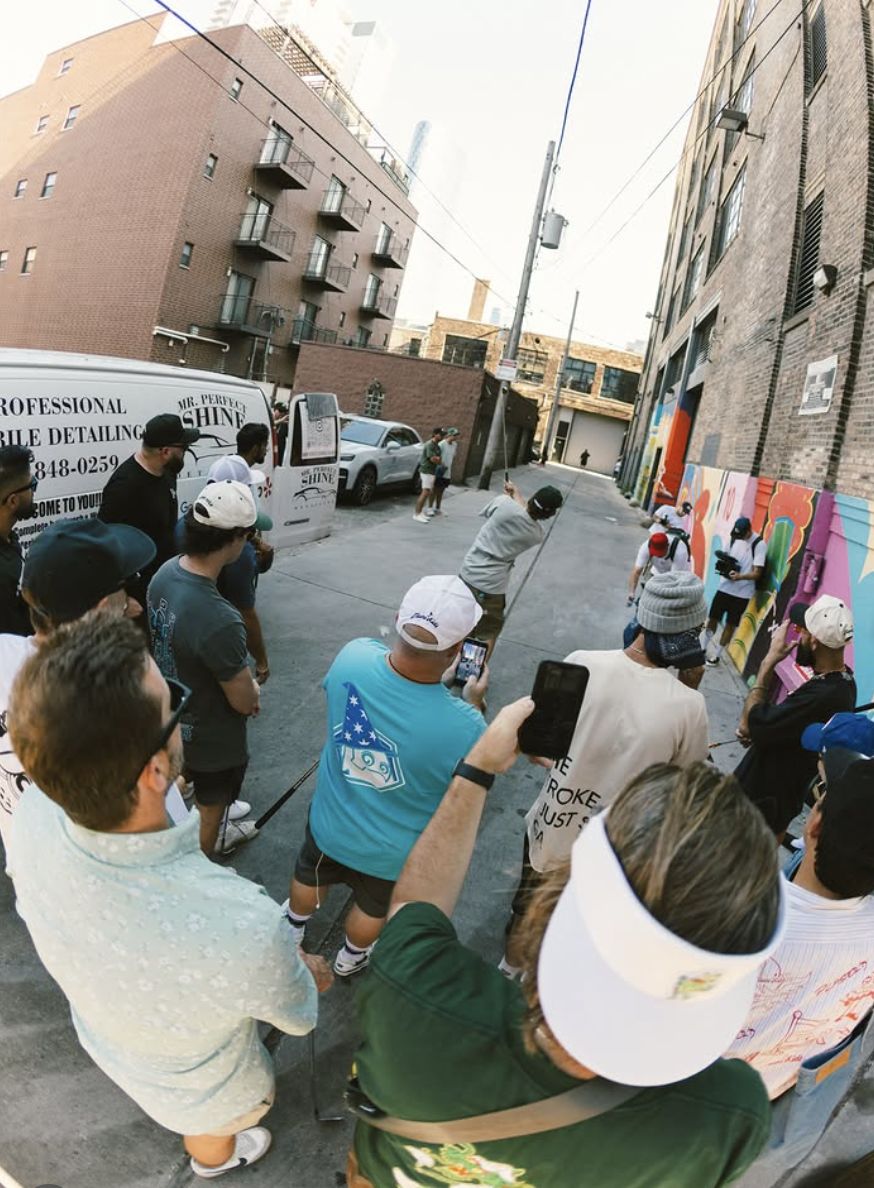
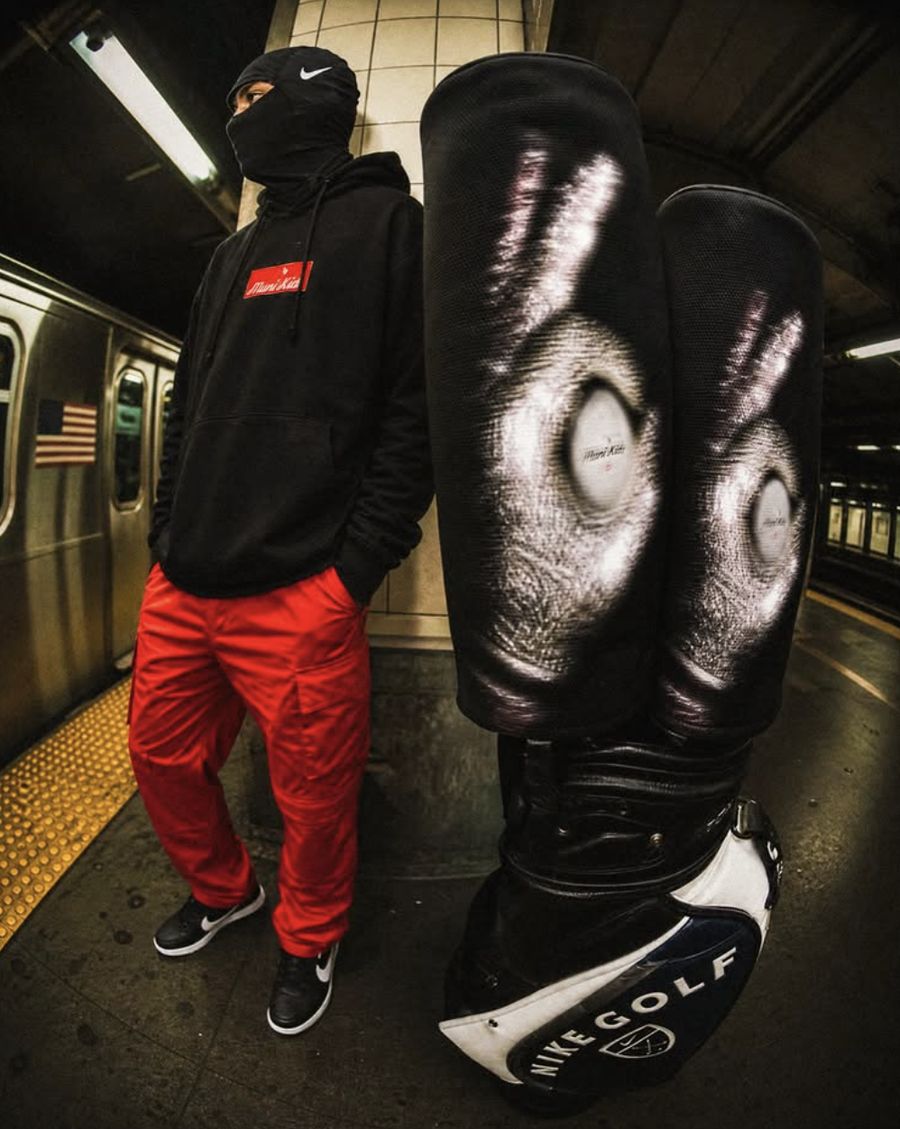
This is not a pitch for something that might happen. Muni Kids have hosted street golf in Portland, Seattle, San Francisco, Los Angeles, Detroit, Atlanta and Chicago. They have built full courses with Pabst Light, put a street golf billboard on the side of a building in downtown Detroit, and shipped collaborations with the most credible names in the category.
Every one of those events happened without a film crew documenting it. That is the part that changes now.
No fencing, no gate, no wristband. A corner, a wall somebody painted, a line of people down the sidewalk who heard about it from someone else.
That is the whole reason it travels. A city does not have to be prepared for street golf. It just has to have a street.
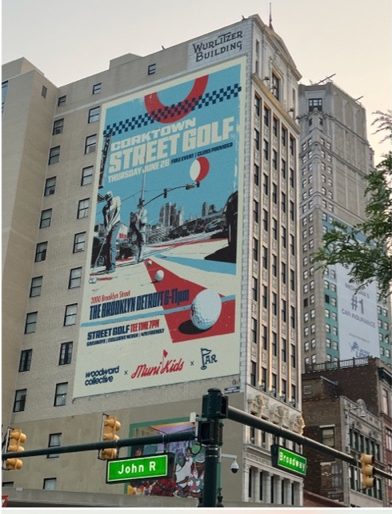
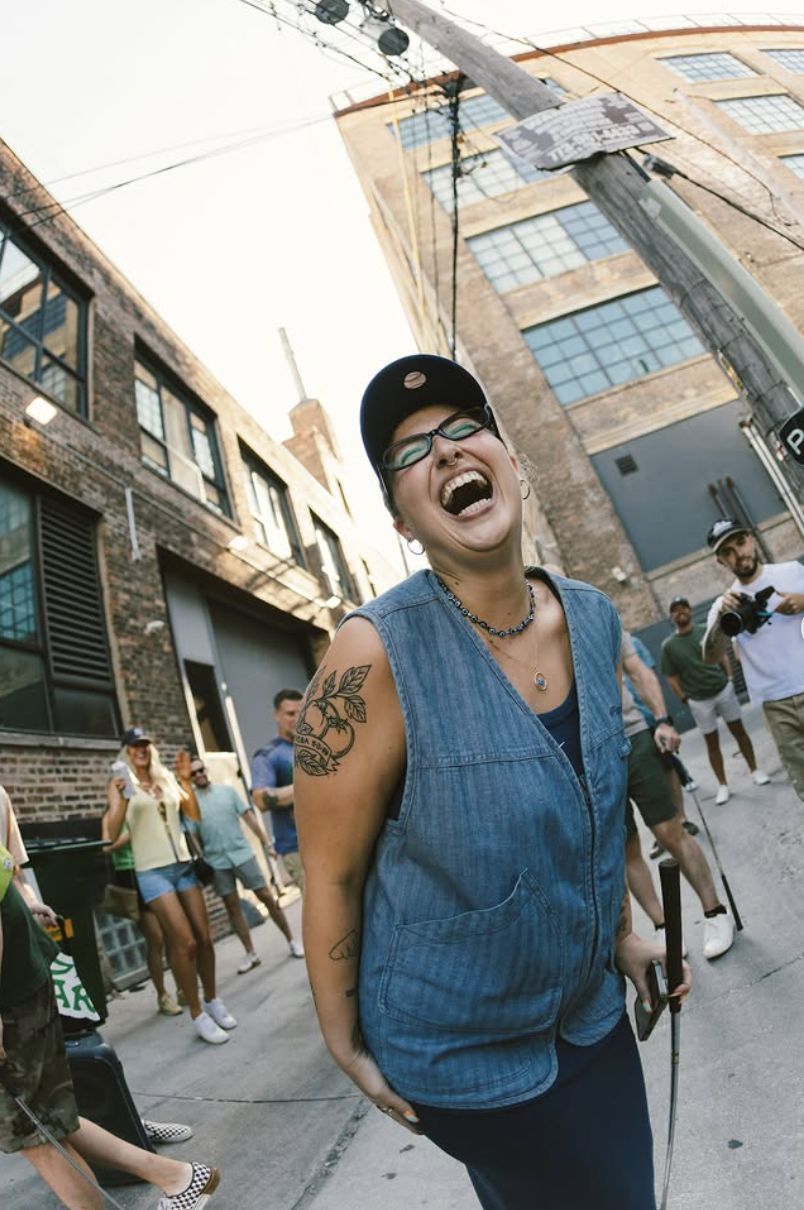
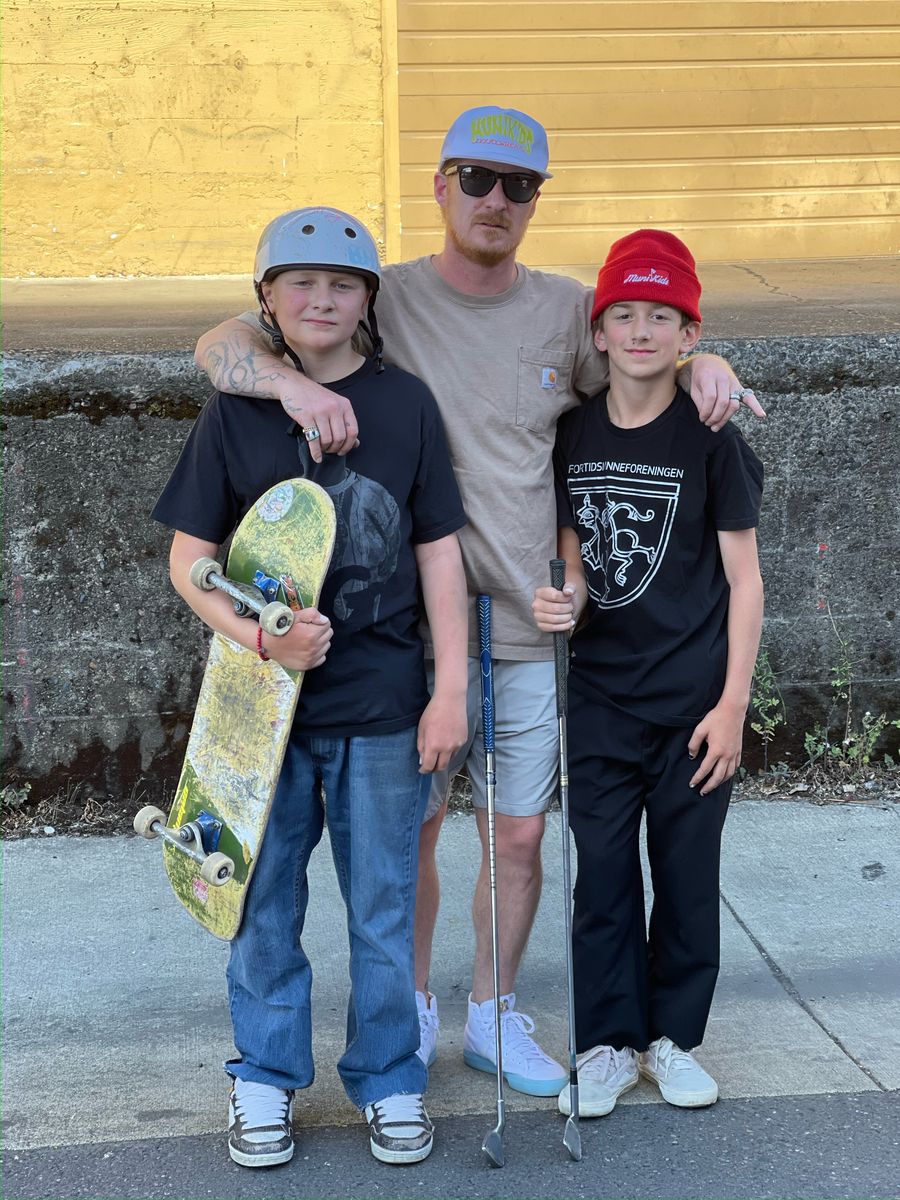
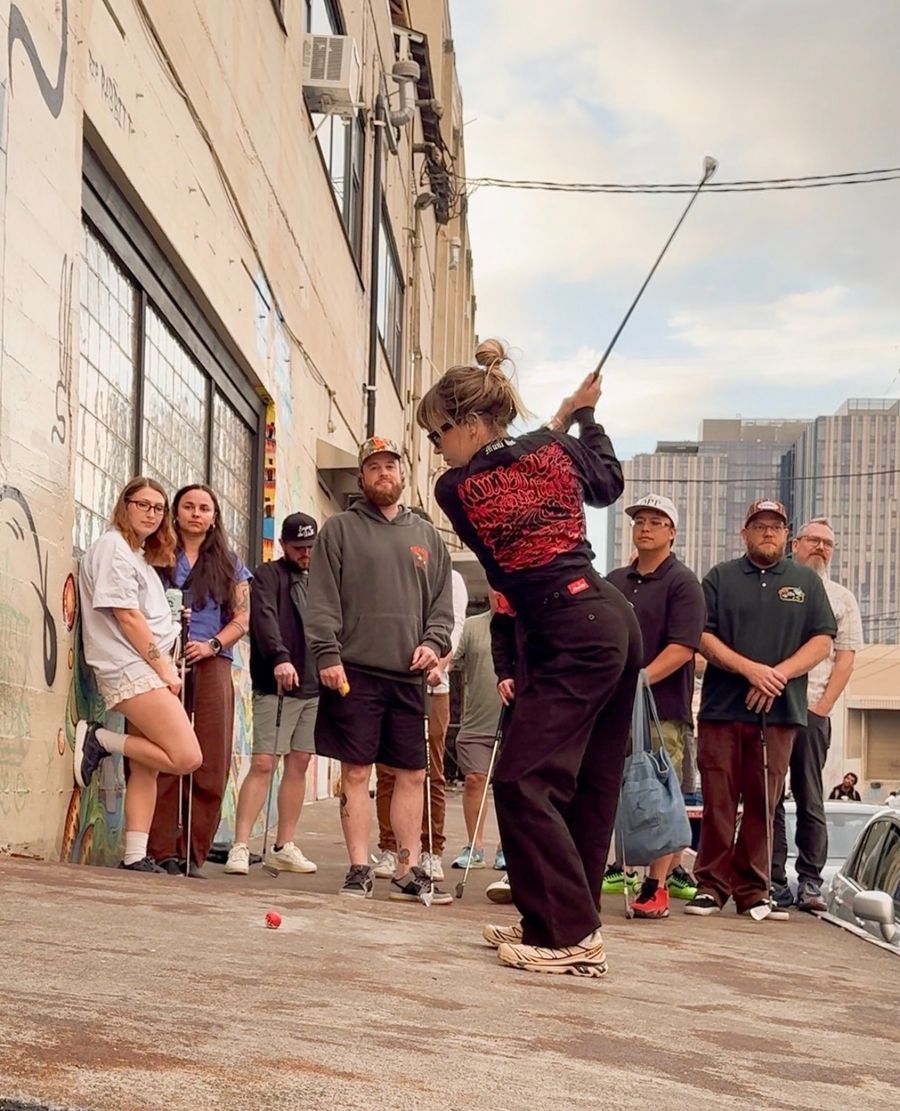
A street golf stop is a nine hole course laid through a few city blocks, built in an afternoon and gone by midnight. People arrive, get handed a club, and play with strangers. Average dwell time is a full evening, not a walk past a booth.
Loading docks, alleys, lots, a closed block. Each hole designed to the street it is on. Every hole is a sponsorable surface.
Soft foam, branded, handed out free. It ends up in photos, in pockets and on shelves. The single most repeated logo of the night.
They walk the course together. There is no bad placement because the whole crowd passes every hole.
Local bar, local food, local music. The reason people bring friends and the reason the night gets posted.
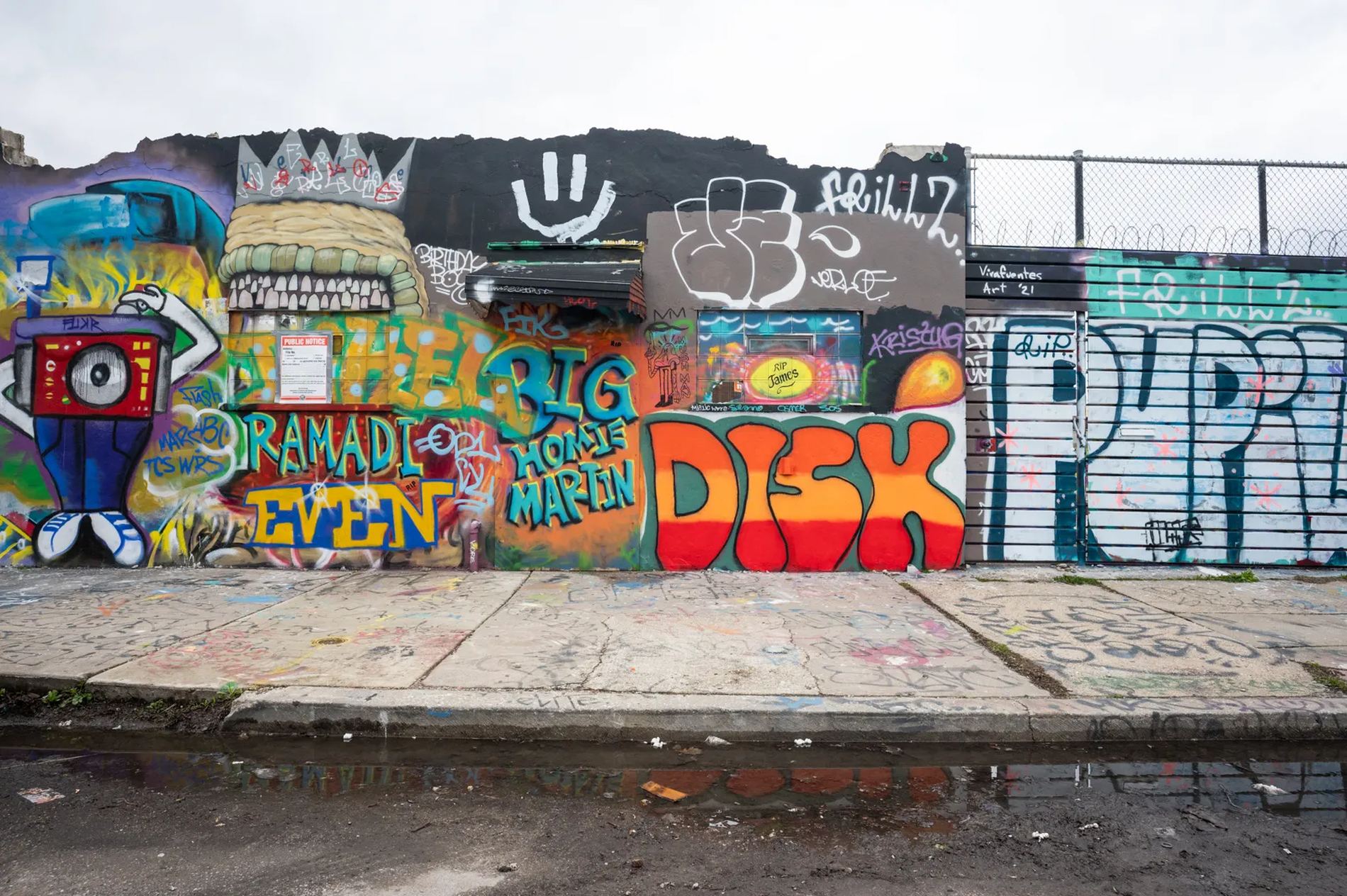
The course is designed to the street it lands on. A loading dock is a green. A pothole is a hazard. A mural is the backdrop for every photo taken at that hole.
Which means a sponsor is not buying a sign next to golf. They are buying a hole that only exists because they paid for it, on a street people will walk down for the rest of their lives.
And the night opens the way the street opens. A skater goes first. Nobody claps politely.
A note on the numbers in this deck. Attendance, reach and per event production cost are being confirmed with Muni Kids now. Every figure here is a working figure built from category comparables, and the ladder will be finalised against real data before this goes to a brand.
This is the street golf product on its own. Per city, priced per stop. A brand buys presence in the road, in people's hands and in the recap. No film commitment required.
Somebody drops that putt in an alley in Portland and the whole street loses its mind. It's the best moment of the night and it's the best moment in the film. And there is nothing at the end of it.
There should be a check. Not Korn Ferry money, life money. Two thousand dollars means something completely different to somebody who has never been paid for playing a sport.
And there should be gear. A bag. A set of irons. Somebody arrives with a borrowed club and leaves owning their own. That is where a brand's product stops being signage and becomes the best day of somebody's year, on camera, in the film, forever.
Priced into any tier, or bought on its own. It is the cheapest line in this document and the one that ends up in the trailer.
Any tier taken across the full six city run, at roughly thirty percent under the per city stack. One negotiation, one activation kit, six cities.
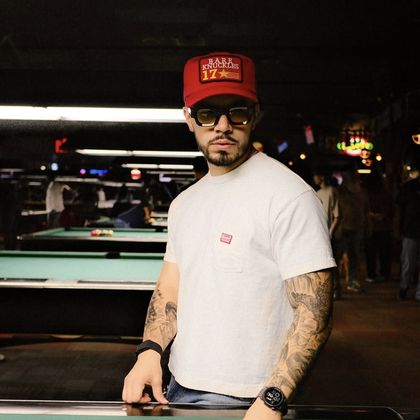
Hot Juice Studios is producing a feature length documentary following street golf city to city over the next year. Muni Kids are the spine of it. Local creators, artists and players join at every stop. The sizzle is cut and Portland is already shot.
The register is Thrasher and Vice, not the Golf Channel. Handheld, night, wet asphalt, headlights, the music people at the event actually play. Nobody in it is a subject. Everybody in it is a star.
A skate video's energy applied to a sport that has never allowed one.
Each city is a chapter. The film is built out of the same nights the sponsors are buying.
No hero shots of country clubs. No growth of the game language. Ever.
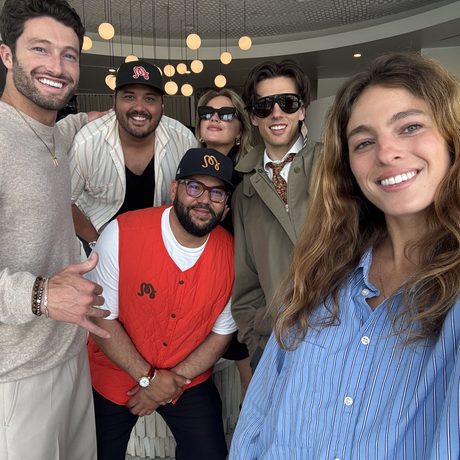
This community is a blast. Creative people who love golf, love a laugh, and are not interested in performing anybody else's version of a golfer. Nobody here is making fun of the game. They found their own lane in it.
So the film is an invitation, not a broadcast. It is built so the right person watches it, puts a hand up and says that's me. Where has this been. This is golf? I'm in.
And it will push some people away. Every story worth telling does. That is the point, and it is also why a partner who comes with us reaches the right audience instead of a big one.
Which is the whole argument for a brand. A logo on a banner disappears the week after the event. A brand built into the film is in the thing people watch for the next ten years, and in every clip cut out of it between now and then.
Separate product, separate ladder. This is not event signage. This is a position inside a feature documentary, its social campaign and its distribution life. A brand can take this alone, or stack it on street golf sponsorship. No one partner funds the film and no one partner owns it.
Pricing is set against real production cost, not what the market will bear. A feature at this scale, shot across six cities over a year and finished to a standard a streamer will buy, lands between $750,000 and $1.2 million. The range is lean versus full, not cheap versus good.
How it gets funded. One Executive Producing Partner, three Producing Partners and four Associate Producers puts the film at the top of the range. No single brand carries it, and no single brand owns it.
A brand can buy the street, the film, or both. Stacked partners take ten percent off the combined figure.
Hot Juice shoots with an editor on site. Selects go out the same night, while everyone is still together and on their phones. That is a creative decision, not a logistics one. The thing that gets reposted is the thing that arrives before people go home.
An editor works on site. Selects land in people's hands before they leave, while everyone is still together and still on their phones. That is when a night gets posted, not on Tuesday.
Partners get the verticals tagged and cleared, not a folder of finals they have to go dig through.
| output | what it is | per stop |
|---|---|---|
| Hero film | One finished film per city, licensed music, full colour and sound pass, paid media standard | 1 |
| Vertical cuts | Hooks, arrivals, the best swings, the crowd, the after party. Cut for TikTok, Reels and Shorts | 25 to 40 |
| Same night selects | Delivered into everyone's hands before they leave, tagged and ready to post | 10 to 15 |
| Stills | Photography from the night, colour and black and white, cleared for brand use | 80 to 150 |
| Brand cut | A partner specific film built from the same capture, no second shoot | 1 |
| Tagged library | The full raw handover, searchable, so your team pulls from it for a year | all |
The tour is already booked. Sponsorship is being placed against these dates now, and the two nearest are the ones with room.
Two sides. The people who built street golf and live in it, and a crew that has been shooting for Malbon, Lexus and Srixon for years. Nobody here is learning on your money.
Muni Kids · the street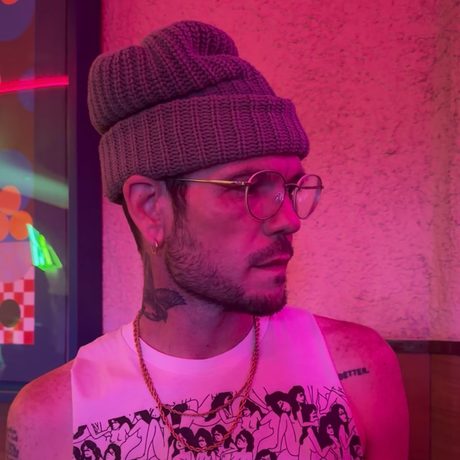
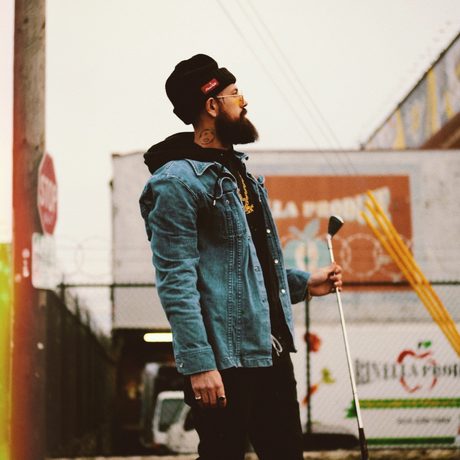
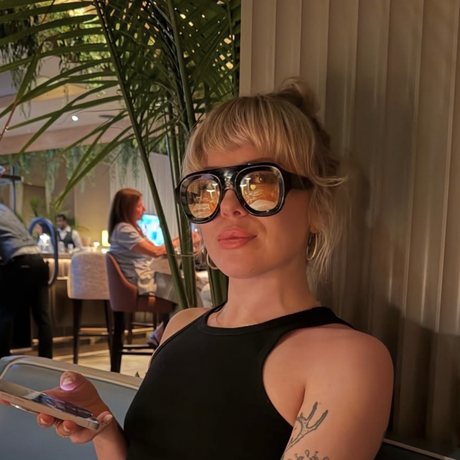
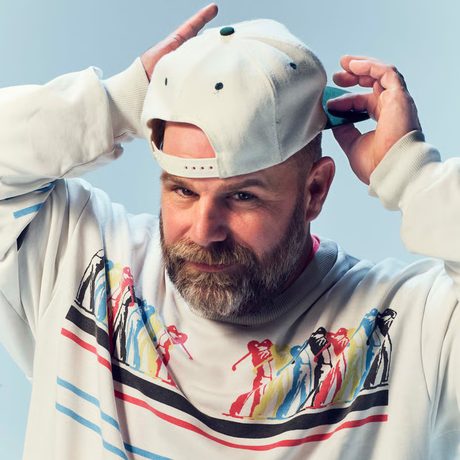
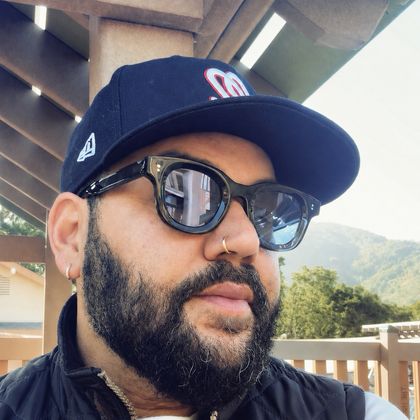
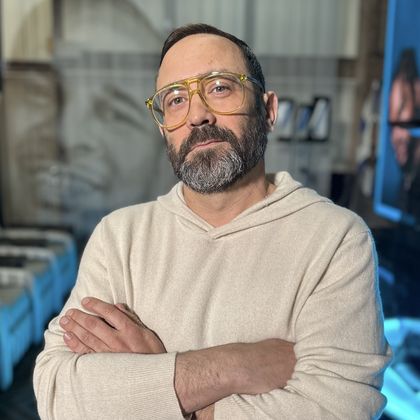
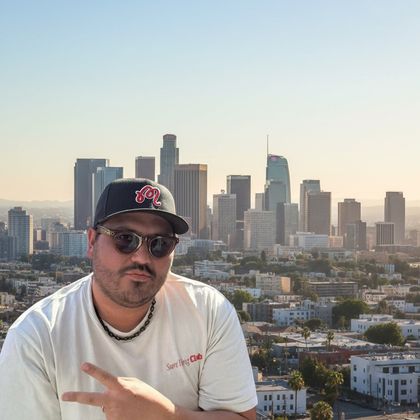
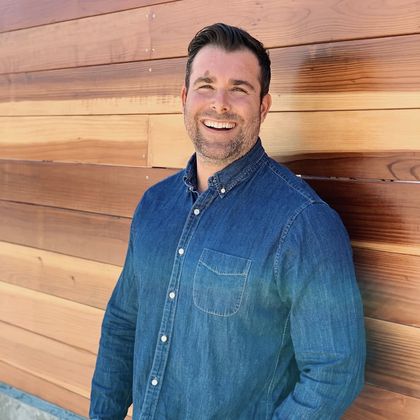
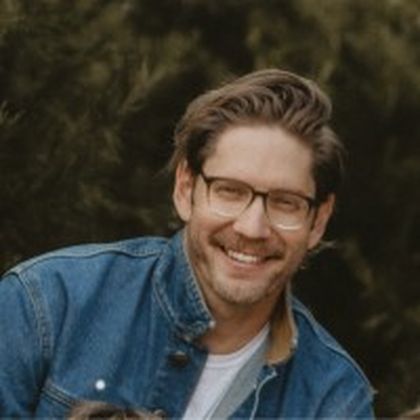
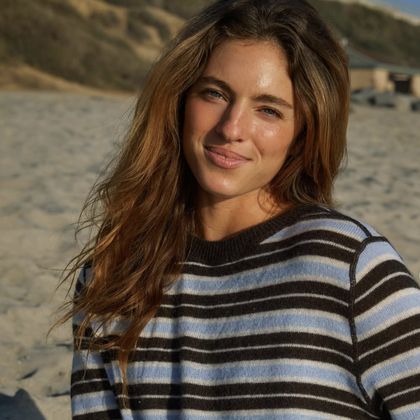
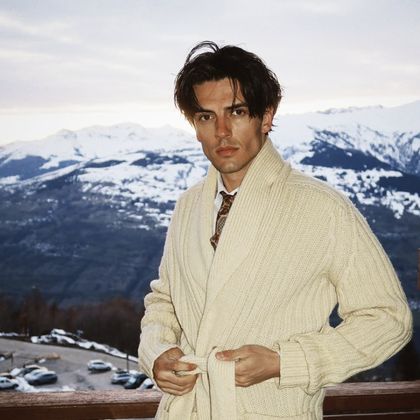

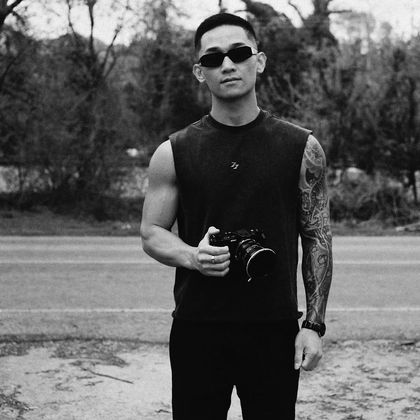
One block, par three. Pick who you are, pick what you're swinging, and try not to hit a car. The dotted line shows where it's going, so watch it while you set your power. One stroke is an ace, two is a birdie, three is par.
Tap once to lock the angle, tap again to lock the power.
Best score of the day gets a real check at the actual event. That part isn't a game.
Chicago is October 3 and New York is October 9. Both are filming. Whatever is decided before then is in the movie.
Tell us which product you want, the event, the film, or both.
We build the activation and the content plan against your list, not ours.
Paper inside a week, crew on the ground for the next stop.